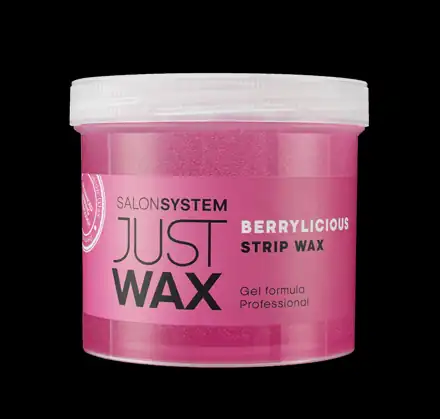
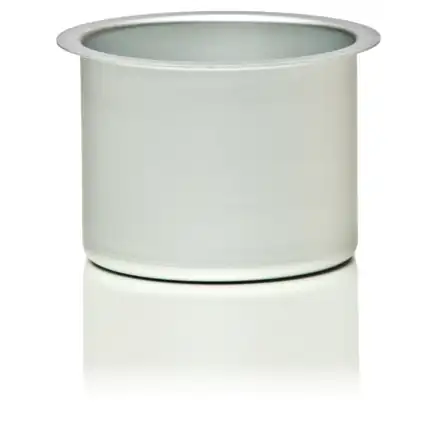
Selecting the correct product group
Salons in Edgbaston should begin by identifying the role of waxing equipment within their actual service menu. Different appointments, client needs and training levels affect buying choices. Review product instructions rather than assuming that all similarly named wax or accessory products can be used in the same way.
Product types and salon suitability
Consider format, intended use, compatibility and professional instructions before narrowing a shortlist. This collection includes products that need to be evaluated individually. The Waxing Equipment category links to relevant product pages, and those pages help keep product comparisons within a meaningful category.
Consultation-led purchasing
Good salon stock planning starts with the client consultation and the treatments actually delivered. Teams should be aware of relevant contraindications, patch testing procedures where required, hygiene rules and aftercare guidance. The seller’s product information and your professional training remain the appropriate sources for treatment-specific decisions.
Why equipment compatibility matters
Equipment, treatment materials and accessories must work together according to their approved directions. Review temperature controls or application tools where relevant, and avoid substituting items merely because they appear similar. Clear instructions support both safety and a smoother workstation process.
Organising professional inventory
Review the quantities used each week, track product dates where appropriate, store materials according to instructions and avoid opening more stock than necessary. Businesses around Hagley Road can use the same inventory principles as salons elsewhere in the UK: consistent records make product selection and replenishment more predictable.
Comparing costs and formats
Pricing is only one part of a sensible buying decision. Review usage per treatment, storage conditions, waste, compatible disposables and the practical fit of each pack. For larger teams, standardisation can simplify reordering. For a smaller studio, the right format may be one that avoids unnecessary opened stock.
Local shopping context
This guide uses Birmingham, Edgbaston and Hagley Road solely as editorial geographic context. It does not mean the supplier operates a physical shop, collection counter or locally held inventory at that address. Delivery coverage, costs and stock status should be verified on the official ecommerce site at the time of ordering.
Training and team consistency
New products should be introduced with clear instructions and appropriate training. Record the intended service stage, where the item is stored and how it is handled after use. When several therapists work together, a consistent product selection process prevents avoidable confusion and helps maintain professional standards.
Making a responsible purchase
Before you buy, confirm exact variants, usage instructions, any professional warnings, pack size and current pricing. Use the linked product detail pages for research and then move to the retailer for current information. A local guide is a navigation aid, not a substitute for technical documentation.
Where to explore next
Continue to the complete product directory, compare the Waxing Equipment collection with related products, and use the UK location index for wider geographic browsing.
Creating a practical treatment-room checklist
A useful checklist starts with a list of services your business actually performs, rather than the entire catalogue of available options. Identify the preparation products, service materials, supporting tools and aftercare items relevant to each treatment. Then decide what should be kept at each station and what can be stored centrally. This reduces unnecessary duplication and makes it easier for colleagues to find the correct item during busy appointments. Review product instructions, compatibility notes and any professional warnings before adding new products to a routine.
Good records also help with buying decisions over time. Track whether an item is used consistently, whether its packaging suits the way the team works and whether you need a different format as appointment volumes change. Avoid treating a product category as a promise that every item can be substituted for every other. A measured approach to stock planning supports clearer consultations, more predictable spending and a simpler client experience.